
How to Check Your Windows Version, Edition & Build Number
The quickest method: press Windows key + R, type winver and press Enter. Windows will show the version and OS build currently installed on your PC.
If you also need to know whether you have Windows Home or Pro and whether Windows is 64-bit, open Settings > System > About.

How Do I Know Which Version of Windows I Have?
There are several ways to check which version of Windows is installed on a PC. The best method depends on exactly what information you need.
Windows edition
This tells you whether the PC is running an edition such as Windows 11 Home or Windows 11 Pro.
Windows version
This identifies the feature release installed on the computer.
OS build
The build number identifies the more specific Windows release and update level installed on the PC.
System type
This tells you whether Windows is running as a 64-bit operating system and provides information about the processor architecture.
Checking software compatibility? The most useful details to record are your Windows edition, version, OS build and system type. Do not rely on the words “Windows 11” or “Windows 10” alone.
Method 1: Check Your Windows Version in Settings
This is the clearest method for most users because it shows the Windows edition, version and build information together.
- Press Windows key + I to open Settings.
- Select System.
- Scroll down and select About.
- Look for the Windows specifications section.
You should see information including:
- Edition — for example, Windows 11 Home or Windows 11 Pro.
- Version — the Windows feature release installed.
- Installed on — when the current release was installed.
- OS build — the specific Windows build installed.
Higher up on the same About screen, System type shows whether your Windows installation and processor are 64-bit.
Do not confuse System type with Windows version. A result such as “64-bit operating system, x64-based processor” describes the architecture of the PC. It does not tell you whether you have Windows Home or Pro or which Windows feature version is installed.
Method 2: Use Winver to Check the Windows Version
winver is usually the fastest way to check the Windows version and OS build.
- Press Windows key + R.
- Type
winver. - Press Enter or select OK.
The About Windows window will open and display the Windows release and OS build.
Quick shortcut: you can also open Start or Search, type winver and select the result.
What Does the Winver Number Mean?
The information shown by winver normally includes two useful details:
- Version — identifies the Windows feature release.
- OS build — gives the more precise Windows build number.
The build number can be particularly useful when troubleshooting an update problem or checking whether a program requires a particular Windows release.
Method 3: Check Your Windows Version Using Command Prompt
If you want more detailed information, Windows can report it through Command Prompt.
- Open the Start menu.
- Type Command Prompt or
cmd. - Open Command Prompt.
- Type the following command and press Enter:
systeminfoWindows will collect system details and display information including:
- OS Name
- OS Version
- System manufacturer
- System model
- System type
- Processor information
- Installed memory
This method is useful when you need both Windows and hardware information for troubleshooting or software compatibility.
Method 4: Use Windows System Information
The built-in System Information tool provides detailed Windows and hardware information without requiring any commands.
- Open Start or Windows Search.
- Type System Information.
- Open the System Information application.
- Select System Summary if it is not already selected.
The window includes information such as:
- OS Name
- Version
- System manufacturer
- System model
- System type
- Processor
- Installed memory
This is particularly useful when a software supplier asks for both your operating system and PC specifications.
Windows Version, Edition and Build Number Explained
The terminology can be confusing because these details describe different parts of the Windows installation.
How Do I Check Whether I Have Windows Home or Pro?
If you specifically need to know whether the PC has Windows Home or Windows Pro:
- Open Settings.
- Select System.
- Select About.
- Look under Windows specifications.
- Read the entry beside Edition.
For example, it may display Windows 11 Home or Windows 11 Pro.
This distinction matters when buying or activating Windows because a licence must normally match the edition installed on the PC.
How Do I Know if Windows Is 32-bit or 64-bit?
Open Settings > System > About and look under Device specifications for System type.
A modern PC will commonly show wording similar to:
64-bit operating system, x64-based processor
Remember that this is separate from your Windows edition. A PC can, for example, be running Windows 11 Pro as a 64-bit operating system.
Why Does Knowing Your Windows Version Matter?
Checking the exact Windows version can help when:
- installing new software
- checking whether a program supports your PC
- troubleshooting Windows problems
- checking update requirements
- installing hardware drivers
- buying the correct Windows edition
- checking whether an activation key matches the installed edition
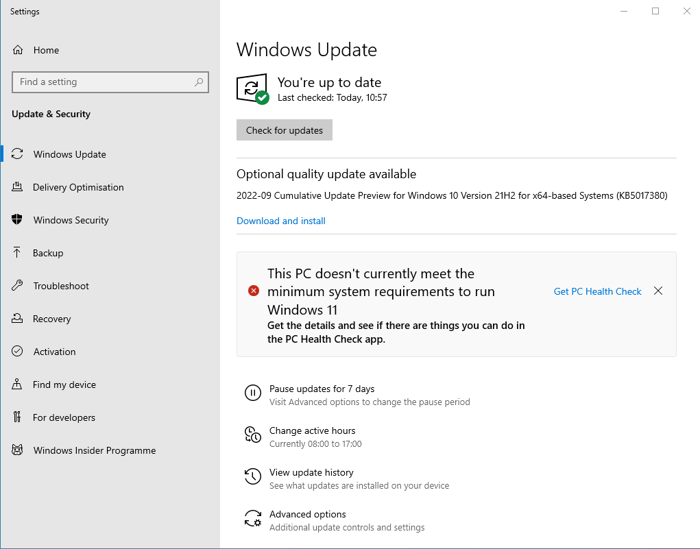
What if My PC Says Windows 10?
Windows 10 PCs continue to operate, but standard Microsoft support for Windows 10 ended on 14 October 2025.
For ordinary Windows 10 installations this means Microsoft no longer provides the normal free security fixes, feature updates or technical assistance that were available during the supported lifecycle.
Some eligible Windows 10 devices can continue receiving security updates through Microsoft’s Extended Security Updates programme, and certain specialist LTSC editions have different lifecycle dates.
If you are using Windows 10 in 2026: do not assume the PC is receiving security updates simply because Windows still starts and works normally. Check Windows Update and your support or ESU status.
Which Method Should You Use?
Just need the version?
Use winver. It is the quickest method.
Need Home or Pro?
Use Settings > System > About.
Need hardware details too?
Use System Information or systeminfo.
Frequently Asked Questions
What is the quickest way to check my Windows version?
Press Windows key + R, type winver and press Enter. The About Windows window will display the Windows version and OS build.
How can I tell if I have Windows 10 or Windows 11?
Open Settings > System > About and look under Windows specifications, or run winver.
How do I know if I have Windows Home or Pro?
Open Settings > System > About and check the Edition entry under Windows specifications.
What is an OS build number?
The OS build identifies the more specific Windows build installed on the computer. It can help when checking update status, troubleshooting problems or confirming software compatibility.
Does System type tell me which version of Windows I have?
No. System type tells you information such as whether the operating system and processor are 64-bit. Your Windows edition, version and OS build are shown separately.
Is Windows 10 still supported?
Standard Windows 10 support ended on 14 October 2025. Windows 10 still runs, but ordinary installations no longer receive the normal free security updates unless covered by an applicable extended-support arrangement.
Need to compare Windows editions?
If you have checked the edition installed on your PC and need to compare your options, view our Microsoft Windows licences and editions.